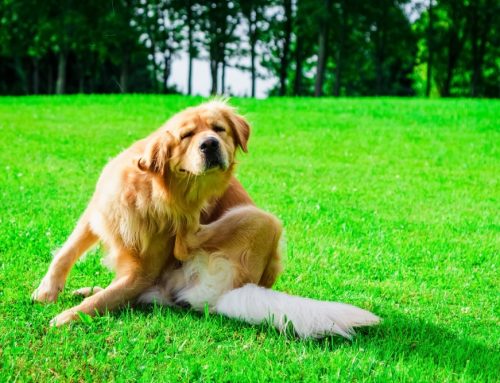

Many pets with bald patches are not losing hair so much as removing it themselves. Allergies to pollen, food proteins, or flea saliva inflame the skin and set off an itch, and the scratching, licking, and chewing that follow are what break the coat off. Hormone problems, mites, and skin infections thin a coat too, and how itchy your pet is becomes one of the first clues we follow. Hair loss is a symptom rather than a disease of its own, and most pets improve a great deal once the cause is identified.
Did the new food start this, or the yard, or is it something coming from the inside that no shampoo will reach? At Commonwealth Animal Care in Lexington, a thinning coat gets a careful exam and, when it is warranted, in-house skin cytology; if a hormone problem looks likelier, we recommend bloodwork. Year-round parasite prevention makes fleas and mites a far less likely answer, though we still check the skin directly before crossing them off. If the itching and hair loss have been dragging on, come see us and we will get to the cause.
Hair Loss in Dogs and Cats: What to Know First
- How itchy your pet is narrows the list fast: allergies, fleas, and mites itch, while thyroid and adrenal problems usually don't.
- Hair loss is a symptom rather than a disease, so a bald patch needs a cause before it needs a cream.
- Patchy or symmetrical thinning, red or scaly skin, and hair that doesn't grow back are worth an exam, not another bath.
- Most pets improve once the cause is found, and many coats grow back fully.
Is This Normal Shedding, or Something I Should Worry About?
Normal seasonal shedding thins the coat evenly across the body and leaves healthy skin behind. Alopecia is the medical term for hair loss, and two pets with matching bald patches can still need completely different treatment.
A few changes mean this needs an exam rather than a wait-and-see month:
- Barbering: hair chewed or broken off at one length instead of missing down to the root.
- Thinning outside the usual pattern: new patches, or both flanks matching each other.
- Skin that looks different: redness, scale, crusting, blackheads, or darker pigment.
- Hair that never comes back: a thin spot that stays thin for weeks, or widens.
- Focused attention: one paw, one ear, or one flank getting licked far more than anywhere else.
Raw, oozing, or painful skin, or a spot chewed open overnight, needs same-day attention. We're open weekdays until 5, so a flare that starts on a Saturday belongs at an emergency hospital rather than waiting for Monday.
Why Is My Pet Scratching or Licking Until the Hair Comes Off?
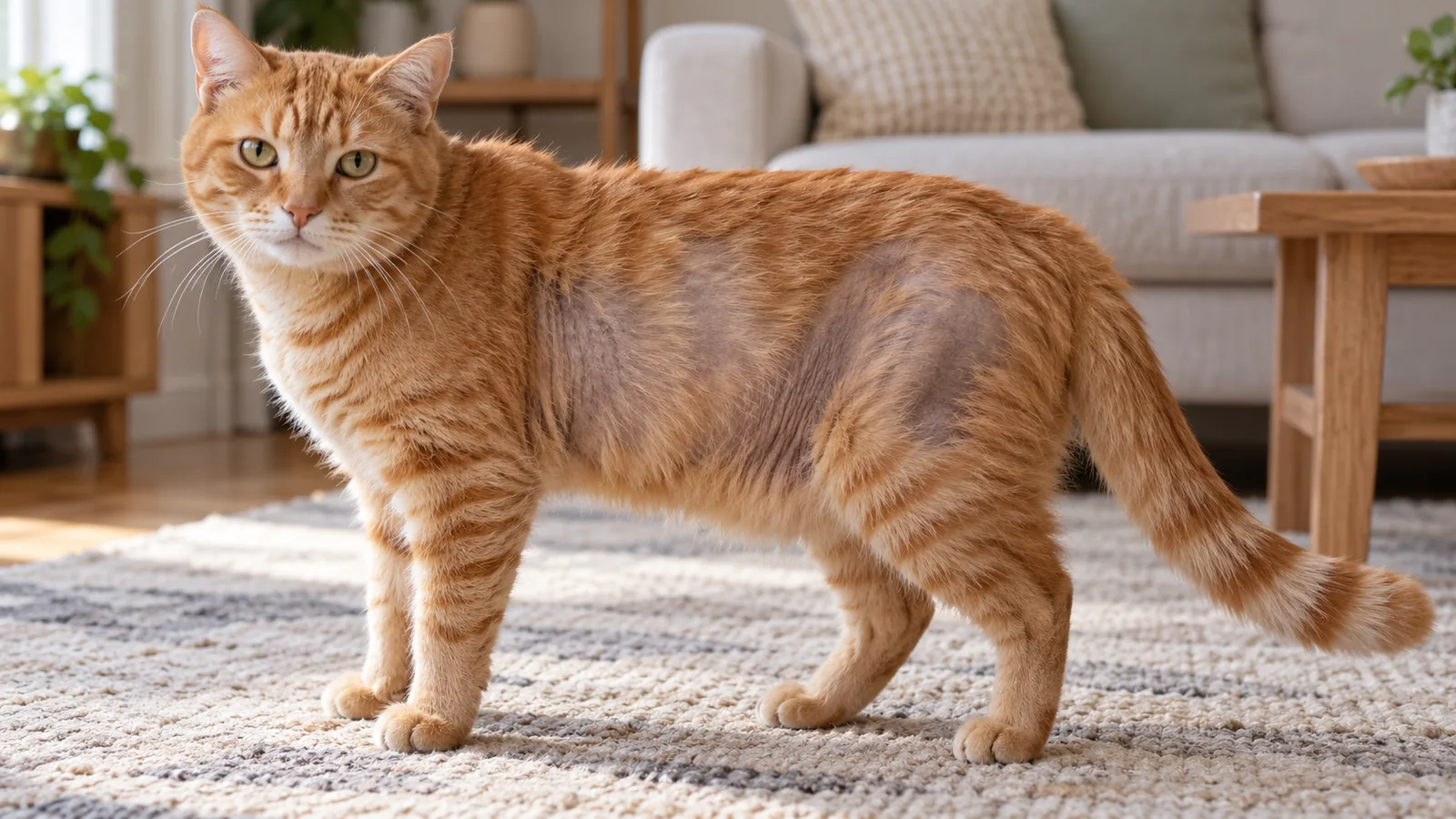
Allergies are one of the most common reasons a coat breaks down. Atopic dermatitis is an immune overreaction to everyday triggers like pollen, dust mites, and mold, and in dogs it settles into the paws, face, ears, and belly, where licking and chewing do the damage. Cats show the same problem through overgrooming rather than scratching: a bald strip down the belly or inner thighs, or a scatter of tiny crusts across the back that feels like sandpaper.
Beef, chicken, dairy, and egg are the proteins most often behind a food allergy, and a food-driven itch runs all year rather than arriving with pollen season. Flea saliva is its own category: one bite is enough for a sensitized pet, and the flea doesn't have to still be there when you look. Kentucky's humid summers and mild falls keep fleas active most of the year in Lexington, and dogs with a flea allergy show it over the tail base and hind legs.
What the skin underneath looks like points us in different directions:
| What you're seeing | How itchy | Where we look first |
| Patchy loss with red or crusted skin | Very itchy | Allergies, fleas, mites, skin infection |
| Smooth, evenly thinned areas over normal skin | Mild or none | Overgrooming from stress or pain |
| Symmetrical thinning on both sides, calm skin | Rarely itchy | Thyroid, adrenal, or sex hormone problems |
| Circular scaly spots that keep spreading | Mild | Ringworm or a bacterial infection |
What If My Pet Is Losing Hair but Isn't Itchy at All?
Hair that thins evenly along both sides of the body, over calm, comfortable skin, points to a hormone problem rather than a skin problem. The change builds slowly, and many families notice only when they compare their pet to an older photo.
Could a Thyroid or Adrenal Problem Be Causing the Hair Loss?
The endocrine diseases behind a thinning coat differ by species:
- Hypothyroidism: Slows a dog's metabolism enough that the coat changes first, with thinning along the trunk and tail, dull dry skin, weight gain on the same food, and more sleeping than usual.
- Cushing's disease: Thins the skin along with the hair, and it usually shows up with a pot-bellied silhouette, a bottomless appetite, and much heavier drinking and urinating.
- Feline hyperthyroidism: Cats more often have the opposite problem, and an older cat with hyperthyroidism often carries a patchy, unkempt coat with weight loss, a big appetite, and night vocalizing.
Hormone shifts register in blood values before a coat looks obviously thin, so we recommend bloodwork and endocrine panels when the pattern fits. A normal result on file from a healthy year makes a borderline thyroid number far easier to read.
Can Sex Hormones or My Own Hormone Cream Cause Hair Loss?
In an intact male dog, symmetrical hair loss across the flanks and groin can trace back to testicular tumors producing excess estrogen, and neutering often reverses it. Intact females can show similar thinning tied to their heat cycles, and spaying resolves many of those.
Topical estrogen or testosterone gels on your own skin transfer to dogs and cats through skin contact and licking the application site, which can thin a coat and cause swollen nipples or a swollen vulva. Cover the site, let it dry, wash your hands, and keep your pet off that skin.
Could Mites, Fleas, or Ringworm Be Behind the Bald Patches?
Parasites and skin infections account for a large share of bald patches, including in pets who never go outside. Mites are microscopic, and ringworm is a fungus rather than a worm.
- Mites: Demodex mites live deep in the hair follicles of most healthy pets and cause patchy, barely itchy hair loss when their numbers climb in a young or immune-compromised pet. Sarcoptic mange is intensely itchy, starts at the ear margins, elbows, and belly, and spreads easily between pets and even to people.
- Fleas: A prescription flea preventive given year-round takes flea allergy off the table before any testing starts.
- Bacteria and yeast: Inflamed skin lets surface organisms overgrow, with Staphylococcus producing crusted rings and pimple-like bumps and Malassezia yeast bringing a greasy, musty odor.
- Ringworm: This fungus creates circular, scaly bald spots that widen at the edges. It passes to people and other animals, so confirming it decides who else in the house needs treating.
A skin scraping read under the microscope and a fungal culture tell these apart, since they can look alike on the surface.
Can a Breed Just Be Prone to Thin Hair?
Some dogs inherit a coat that was never going to be thick. Hereditary hair loss can't be cured the way an infection can, but it can usually be managed comfortably once the treatable causes are ruled out.
| Condition | Breeds most often affected | What you see |
| Color dilution alopecia | Blue and fawn Dobermans, Dachshunds, Weimaraners | Fragile hair that snaps off in the diluted areas |
| Seasonal flank alopecia | Boxers, Bulldogs, Airedales | Matching patches on both flanks as the daylight hours change |
| Alopecia X | Pomeranians, Alaskan Malamutes, Poodles | Trunk and tail hair thins while every blood panel reads normal |
| Sebaceous adenitis | Standard Poodles, Akitas | Greasy scale cuffed around the hair shafts, with loss along the topline and head |
| Zinc-responsive dermatosis | Huskies and other northern breeds | Crusting at the eyes, muzzle, and pressure points that improves with zinc supplementation |
We rule out mites, infection, allergy, and hormones first, and care then leans on skin-supportive bathing, a diet with enough fatty acids and zinc, and sometimes light therapy for the seasonal cases.
Does Anxiety or a Painful Spot Explain the Licking?
Cats under stress often groom more, and a cat's tongue is abrasive enough to break hair off at the skin. That's psychogenic alopecia, or stress-driven hair loss: smooth, evenly thinned areas on the belly, inner thighs, or flanks, with normal skin underneath. The triggers are rarely dramatic: a new kitten, a move, a neighborhood cat at the window, a different litter, or construction next door. Dogs do a version of this too, licking one wrist or ankle until the fur goes and the skin thickens into a firm, shiny patch.
Pain is the other driver, and the one missed most often. Pets lick and chew hair off a spot that hurts even when the surface looks fine, so a cat barbering her lower belly may be reacting to bladder pain, and a dog licking one wrist may be reacting to that joint. Because stress and pain look identical on the skin, we examine closely and sometimes add X-rays or an ultrasound before calling anything behavioral.
Does Diet or Bathing Change How Much Hair My Pet Loses?
Skin and coat are among the first places a nutritional gap shows, since growing hair demands a steady supply of protein, fatty acids, zinc, and biotin. Too-frequent baths or a harsh shampoo cause the opposite problem, stripping the oils that keep hair flexible until brittle hair snaps off. Regular grooming lifts out loose hair and debris, spreads natural oils down the hair shaft, and gives you a chance to notice a scab or thin patch early.
Omega fatty acids support the skin barrier and dial down the inflammation behind much of the itching, though the dose that helps a 70-pound dog is far higher than most over-the-counter coat supplements contain. Homemade recipes and long-term bargain foods are where shortfalls most often turn up, and nutritional counseling sorts out whether what's in the bowl can support a coat.
What not to try at home:
- Human skin products: Dandruff shampoo and hydrocortisone cream irritate skin that a pet then licks, and they can erase the findings on a skin scraping we'd otherwise read.
- Combination allergy medicine: Never give a combination human allergy product, since the decongestant in it can be dangerous for dogs and cats.
What Happens During a Hair Loss Workup?
A hair loss workup starts with your history and a hands-on skin exam. The pattern of the missing hair and the state of the skin underneath decide which tests come next, and most pets need two or three rather than a long panel. We can usually run the first of those tests at that visit.
- The history: When and where the hair loss started, how itchy it's been, what's in the food bowl, what prevention your pet is on, and whether anyone at home has a new rash.
- Pattern mapping: Symmetrical or patchy, barbered or broken, and whether the skin in the thin areas is inflamed.
- Scrapings, slides, and fungal culture: A scraping goes under the microscope for mites, a tape or swab sample shows whether bacteria or yeast have overgrown, and a culture confirms ringworm after a couple of weeks.
- Hormone testing: Thyroid and adrenal panels when the coat is thinning symmetrically over quiet skin.
- Diet trial: Food allergy is the one cause no blood test can confirm, so an elimination diet trial of eight to twelve weeks on a single novel or hydrolyzed protein, with no treats or table scraps, is the only way to prove it.
How Do You Treat Hair Loss Once You Know the Cause?
Treatment is matched to the diagnosis, so the plan for a flea allergy looks nothing like the plan for low thyroid. Many pets need two things at once: something aimed at the cause, and something that calms the skin while the coat grows back.
| Cause | What treatment usually involves |
| Environmental or food allergy | Anti-itch medication, medicated baths, omega-3 support, a diet trial or allergy testing |
| Fleas and mites | A prescription parasite product, treating other pets in the house, and washing bedding |
| Bacterial or yeast infection | Antibiotics or antifungals, usually with a medicated shampoo |
| Thyroid, adrenal, or sex hormone problems | Daily hormone medication, or surgery such as neutering or spaying |
| Stress or pain-driven grooming | Pain control, or changes at home that lower the stress |
| Nutritional gaps | A diet change with targeted fatty acid or zinc supplementation |
| Inherited coat conditions | Supportive bathing, nutrition, and comfort care rather than a cure |
Hair grows in cycles, so comfort improves well before the coat catches up. Our veterinarians weigh what the testing showed, other medications your pet is taking, and what your household can keep up with, then set a recheck to confirm hair is coming back and catch a second infection early.
What Lexington Families Ask Us About Hair Loss
Will my pet's hair grow back?
Many pets regrow a full coat once the itch, the infection, or the hormone imbalance is treated. Plan on weeks to months, and the new hair may come in a different shade or texture at first. Skin scarred by long-standing damage can stay thin, one more reason to have a bald patch looked at early.
Can hair loss spread to people or other pets in my house?
Some causes can. Ringworm and sarcoptic mange both pass to other animals and to people, so tell us if anyone at home has a new itchy rash. Allergies, thyroid disease, Cushing's, and inherited coat conditions aren't contagious, and Demodex mites don't spread between healthy adult pets.
Should I switch my pet's food before our appointment?
Hold off on a food change until we've talked it through. A diet trial only proves something when we know exactly what your pet has eaten, so a new protein now can delay the real trial by weeks. Environmental allergies and flea bites are more common than food allergy, so the bowl is rarely where we start. If the itching has the whole house awake at night, reach out and we'll tell you what to do in the meantime.
Let's Get Your Pet Comfortable and Their Coat Growing Back
Whether your dog is chewing a flank raw or your cat is barbering her belly, Commonwealth Animal Care in Lexington will examine the skin, run the testing the pattern calls for, and build the plan around your pet and your household. Book a visit whenever you notice a coat change you can't explain.